

Alcohol Nose: Symptoms, Risks & Treatment
Blood tests are often ordered to check for elevated liver enzymes or nutritional deficiencies common in chronic alcohol use, such as low vitamin B levels. Biopsies may be performed if there’s suspicion of malignancy, as prolonged sun exposure combined with alcohol alcoholic nose abuse increases skin cancer risk. For patients over 50, a thorough review of medications is essential, as drugs like corticosteroids or immunosuppressants can mimic or exacerbate rhinophyma-like symptoms. This step ensures the condition is not misdiagnosed, preventing unnecessary or harmful interventions.
Does Alcohol Cause a Bulbous Nose?
- Rhinophyma is a progressive skin disorder characterized by thickened skin and irregular tissue growth, usually affecting the nose.
- Dermatologists understand rhinophyma as the advanced, end-stage form of a chronic inflammatory skin disorder known as rosacea.
- Rhinophyma primarily affects fair-skinned males, typically between 50 and 70 years of age.
- If you or someone you love is struggling with addiction, getting help is just a phone call away, or consider trying therapy online with BetterHelp.
- As stated earlier, the medical definition of an alcoholic nose is rhinophyma.
What’s more, alcohol can trigger the overgrowth of a mite called Demodex folliculorum, naturally occurring on our skin. Those of us with rosacea can have up to four times more the Demodex mites on our face than people who don’t have rosacea. Reframe supports you in reducing alcohol consumption and enhancing your well-being. A bloody nose can be a symptom of serious disorders such as alcoholic liver disease, cirrhosis, and liver failure. If you’re sick of ruined sheets and stained T-shirts, it may be time to look into these preventative measures. Only when the liver sustains serious damage will we experience more overt symptoms such as jaundice, hair loss, and a tendency to bleed easily.
What is alcoholic nose and why is my nose red?

Alcohol addiction is a brain disorder that can be mild, moderate, or severe. It is characterised by an impaired ability to stop or control alcohol use despite adverse consequences. The lasting changes in the brain caused by alcohol misuse perpetuate the disorder and make individuals vulnerable to relapse. However, evidence-based treatments, including behavioural therapies, mutual-support groups, and medications, can help individuals achieve and maintain recovery. However, it is important to note that individual triggers vary, and not all rosacea patients experience symptoms from alcohol consumption.
- Facial blood vessels, sitting close to your skin surface, become more visible and allow increased blood flow to the area.
- Rhinophyma typically progresses through several stages, beginning with mild redness and sensitivity that may come and go.
- However, finding the right support and treatment can help people put alcohol abuse in the past and work toward a healthier future.
- Alcoholic nose or rhinophyma is a rare condition that typically affects Caucasian men between 50 and 70.
- The process of detoxification involves various bodily systems, particularly the liver and kidneys, which play a vital role in filtering and excreting toxins.
Alcoholic Nose: Understanding Rhinophyma and Its Relationship to Alcohol Use

One study found that out of 108 patients with rosacea, only 15 were noted to also have rhinophyma, almost all of whom were men. While alcohol can stay in your system and cause damage, there is thought to be very little connection between alcohol use and this skin condition. If you or someone you love struggles with alcohol abuse or addiction, you are not powerless. Contact our intake team to learn about our programs or to schedule an intake appointment. Smoking, poor diet, and stress can exacerbate symptoms by triggering inflammation and damaging blood vessels. Even moderate alcohol use can make rosacea symptoms more noticeable, which may deepen feelings of embarrassment or isolation.
” It’s important to realize that alcohol doesn’t just affect the nose; it impacts the entire body. Chronic consumption can lead to liver damage, heart disease, weakened immune function, and mental health issues. Alcohol also dehydrates the skin, disrupts blood circulation, and accelerates aging, contributing to visible signs of wear and tear on the body. Recognizing the broader health implications of alcohol abuse is the first step toward recovery and improved health.
This chronic skin condition, characterized by a red, swollen, and bumpy appearance of the nose, has historically been incorrectly linked Halfway house to excessive drinking. At Alpas Wellness, we often help patients understand the true nature of this condition and its relationship to rosacea. This common skin disorder can affect anyone regardless of their drinking habits. When alcohol is consumed, it causes blood vessels to expand, leading to increased blood flow and facial flushing. Repeated episodes of flushing can damage the capillaries in the skin, causing them to become more visible and contributing to persistent redness. Over time, chronic inflammation from these flare-ups stimulates the production of excess collagen and fibrous tissue, particularly in the nasal area.
Normally, mucus is designed to be viscous enough to capture and immobilize foreign particles, but it should also be fluid enough to be easily transported out of the body. Dehydration disrupts this balance, causing the mucus to become too dense and slowing down its clearance. This is why individuals often experience nasal congestion and a stuffy nose after a night of drinking. Rhinophyma is actually a subtype of rosacea, a skin disorder that leaves the nose looking swollen, enlarged, red, bulbous, and distorted. People who experience Rhinophyma may also experience other types of rosacea.
- Recent developments in the management of rhinophyma have centered on a combination of medical and procedural approaches.
- Managing alcohol intake and addressing underlying histamine-related issues can help mitigate this effect, though the changes may become permanent if alcohol consumption continues unchecked.
- If you are suffering from rhinophyma, talk to your doctor or dermatologist to develop a plan for treatment.
- Alcohol can trigger flare-ups, so recognizing these signs early will help us to take action.
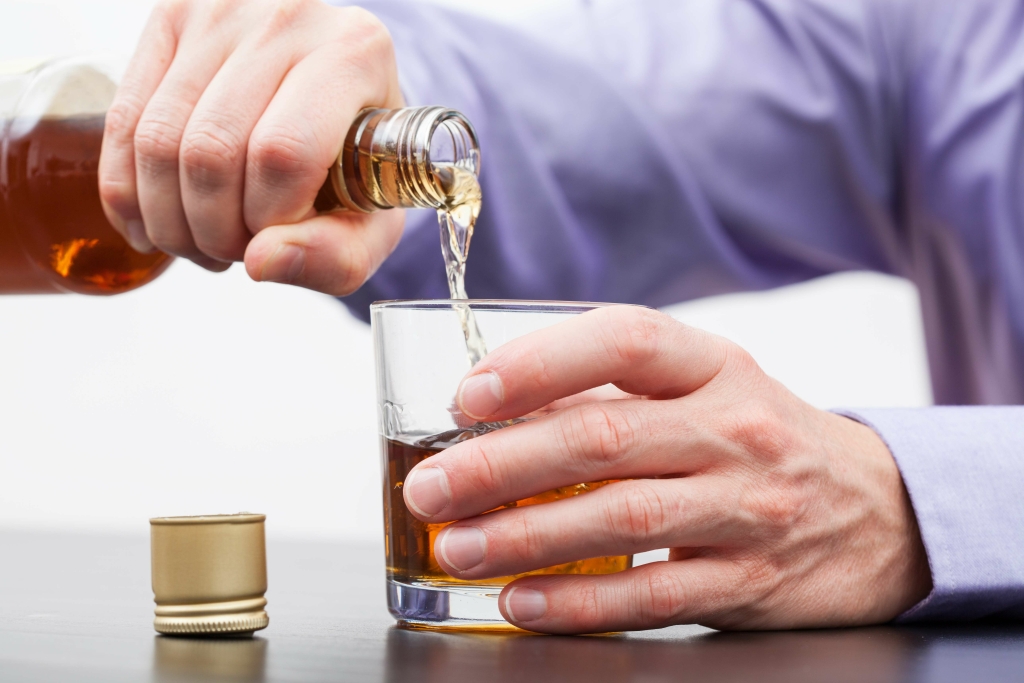
However, it’s always important to keep in mind that rhinophyma https://ecosoberhouse.com/ ultimately manifests itself as a side effect of rosacea. People can experience rhinophyma without drinking alcohol or very occasionally drinking it. The Mayo Clinic reports that over a long period of time, rosacea can thicken the skin of the nose. This thickening of the nose causes it to become more bulbous, which is the condition you now know as rhinophyma.


Comments are disabled