

Why the Tangem Card Wallet Felt Like a Small Revolution in My Pocket
Whoa! First impression: it fits in my wallet like a credit card. Seriously? Yes. It’s thin, cold, and unassuming. My instinct said, “This is clever,” before I even paired it. Initially I thought a card can’t replace a bulky hardware wallet, but then I dug in and things shifted—fast.
Here’s the thing. A hardware wallet is usually something you lock up, plan for, and treat like a sacred object. Tangem flips that script. The card is designed for daily carry, not a safe-deposit-box ritual. That felt liberating. It also made me a little nervous—why am I carrying my private keys against a lunch receipt? Hmm… somethin’ about that still nags me. On one hand convenience is huge. On the other hand, human error is a real opponent.
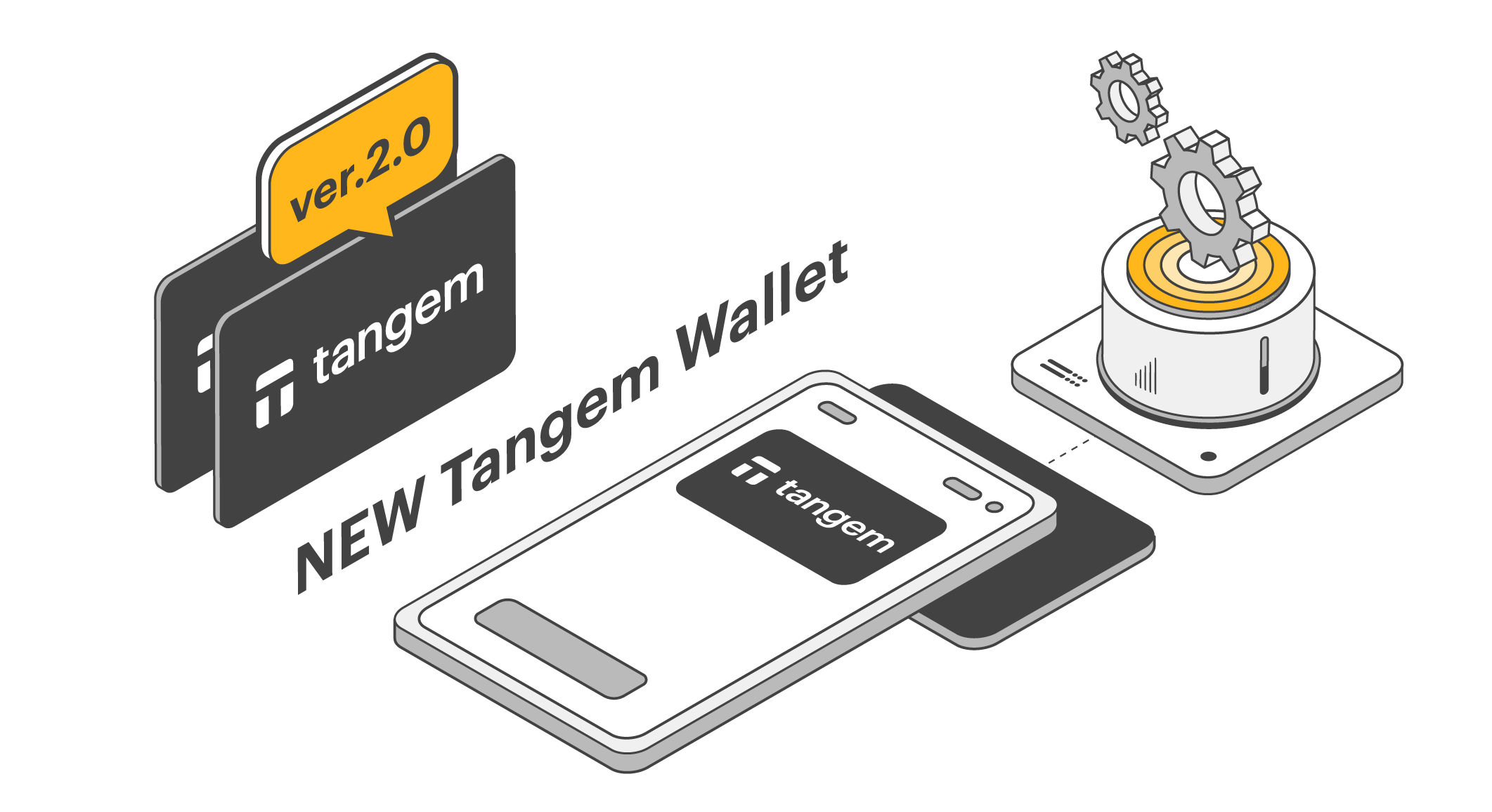
Physically, the Tangem card is simple. Thin. Durable. Feels like matte plastic with an embedded NFC chip. You tap it to your phone and the Tangem app talks to the card. The tap completes a crypto command. That’s it. No cables, no seed phrase printed on paper, no seed phrases read aloud in a tiny room—you get the idea. The minimalist flow works. It’s very very intentional.
How the Tangem App + Card Actually Work
Okay, so check this out—pairing is almost frictionless. The Tangem app discovers the card over NFC, verifies the card’s firmware, and presents a public address. If you want to send crypto, you create the transaction in the app, tap the card to sign it, and the signed transaction gets broadcast. Pretty straightforward. But there’s nuance. For example, there are subtle UX differences between coins, and the app’s behavior for multisig or custody-style flows isn’t uniform across chains. I like that the app tries to be simple, though it sometimes glosses over advanced options that some power users will want.
Initially I thought that convenience might mean compromises. Actually, wait—let me rephrase that: I worried about security trade-offs. But the security model is solid in core ways. The private key never leaves the chip. The card signs transactions locally. The chip itself is tamper-resistant and built to a hardware security standard. On paper that sounds identical to other hardware wallets, though the NFC/card form factor changes the threat model: losing a card is more plausible than misplacing a small dongle hidden in a drawer. So you have to plan backup and recovery differently.
Here’s what bugs me about typical backup flows: seed phrases are clumsy and error-prone. Tangem’s approach moves that pain toward a hardware-managed lifecycle. You can provision multiple cards for redundancy, or use backup cards kept offline. That’s elegant, but also: if you lose all your cards and didn’t create proper backups, recovery can be painful. I’m biased toward redundancy—carry one, store one, hide one—but that’s my workflow, not the only sane one.
Security aside, the app design is a useful teaching tool. It nudges people toward safer habits without lecturing. The app will show transaction details, network fees, and the signing prompt. When something felt off—like a suspicious token approval—my gut reaction was immediate. My instinct said to cancel. The app made canceling easy. On more technical grounds, the card’s anti-cloning measures and certificate verification give real assurances that you’re interacting with a genuine device, not a cheap clone.
On the other hand, some power features are limited or tucked away. Want advanced coin management, staking, or deep contract interaction? You might hit friction. On one hand the Tangem wallet is for mainstream daily use; though actually, the product roadmap seems to be adding more chains and integrations steadily. I’m not 100% sure about timelines, but the pace is encouraging.
Real-World Use Cases I Tried
I carried the card for a week in my everyday wallet. Tap to check a balance while standing in line at a coffee shop—super handy. I sent an ERC-20 token while waiting for a train—tap, sign, done. The convenience is the point. But there’s also a social angle. Hand someone a backup card (oh, and by the way…) and you can transfer custody quickly for trustless workflows or gifting. That felt surprisingly practical for estate planning or gifting crypto at weddings—yes, I’m serious.
However, I also stress-tested it. I attempted to pair it with a phone on airplane mode, tried weird NFC angles, and simulated a lost-card scenario. The worst frictions were user errors: forgetting to save a backup, or assuming a single card is sufficient. The Tangem model expects thoughtful users. If you’re lazy about redundancy, that’s on you. If you want a simple, everyday wallet that reduces cognitive load, this might be exactly what you need.
Something felt off about one integration—transaction metadata sometimes lacks depth. For DeFi interactions you want to confirm many more details. The app is getting there, but right now power users will still want to complement it with other tools. On the other other hand (and yes, that repetition is intentional), the card pairs nicely with custodial workflows where hardware-level signing is required but you don’t want a bulky setup.
Where Tangem Shines — and Where It Doesn’t
Strengths are obvious: portability, ease of use, NFC signing, and solid hardware security. If you prioritize day-to-day convenience without sacrificing local key custody, Tangem is a rare combo. Weaknesses? Backup discipline, advanced DeFi UX, and sometimes slow support for niche chains. Also, there’s a psychological hurdle: people worry about carrying “the thing” every day. I’m not immune to that feeling.
If you want to read more specifics about the product and official details, check out tangem. The site gives a clean overview and resources for setup. I’ll be honest: the docs are useful, though they read like startup docs—helpful but sometimes optimistic about timelines.
FAQ
Is the Tangem card as secure as a Ledger or Trezor?
Short answer: yes in core cryptographic terms. The private key never leaves the secure element. Longer answer: the attack surface differs because it’s designed for NFC use and daily carry. Threat models change—physical loss is more likely, remote attacks are not increased. So security is comparable but you must manage backups differently.
What happens if I lose my Tangem card?
It depends on your backup strategy. You can provision backup cards, or use a recovery mechanism provided during setup. If you didn’t create backups, recovery is difficult. So plan ahead—store backups offline and separate from your primary card.
Can I use Tangem for DeFi and NFTs?
Yes, for most common flows. NFTs and many DeFi interactions work, but complex contract approvals or multi-step DeFi strategies might be clunky in the mobile app. Power users often combine Tangem with a desktop wallet or use transaction relayers for complex ops.


Comments are disabled